
California’s PG&E customers have been experiencing higher than-normal rates reflected on their monthly utility bills. A new report anticipates the issue compounding over the next 3 years. But, PG&E disagrees.
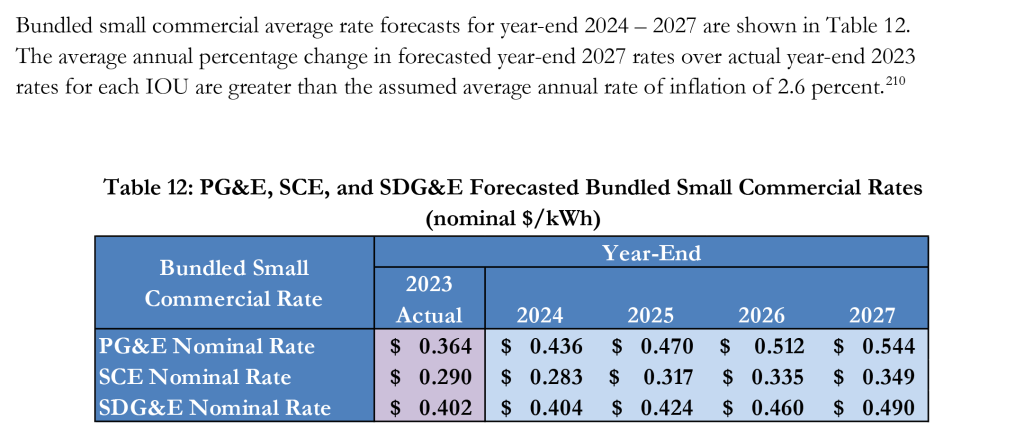
The forecast by state regulatory bodies predicts that PG&E customers will see bills outpacing inflation for several years. PG&E has refuted this report, which, according to Times Standard, predicts that “electricity rates could rise by an average of nearly 11% a year through 2027[…] which would continue a brutal pattern of skyrocketing monthly bills for PG&E’s customers.”
PG&E disputes these figures, citing a commitment to controlling rising rates. A spokesperson told Times Standard that “The forecast in the CPUC report is speculative and should not be viewed as fact,” and, “PG&E has committed to limit average annual increases to no more than 3% through 2026.”
PUC Report: By The Numbers
This comes as a contradiction to the California Public Utilities Commision’s report, which finds the following:
PG&E leads in rate increases among competitor, with rates outpacing inflation.

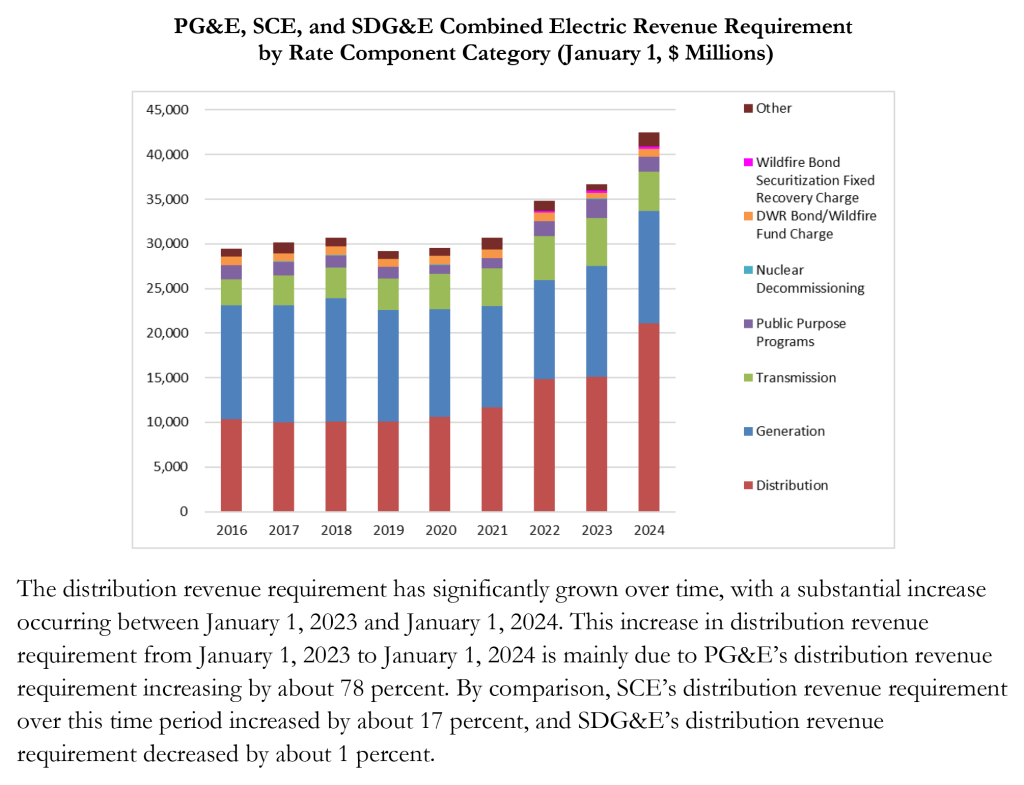
A breakdown of costs across the three major providers shows that the bulk of customer payments fund three items: distribution, generation, and transmission.
Utility rates, represented by the bars, have to date risen at a higher rate than inflation, represented by the horizontal lines.
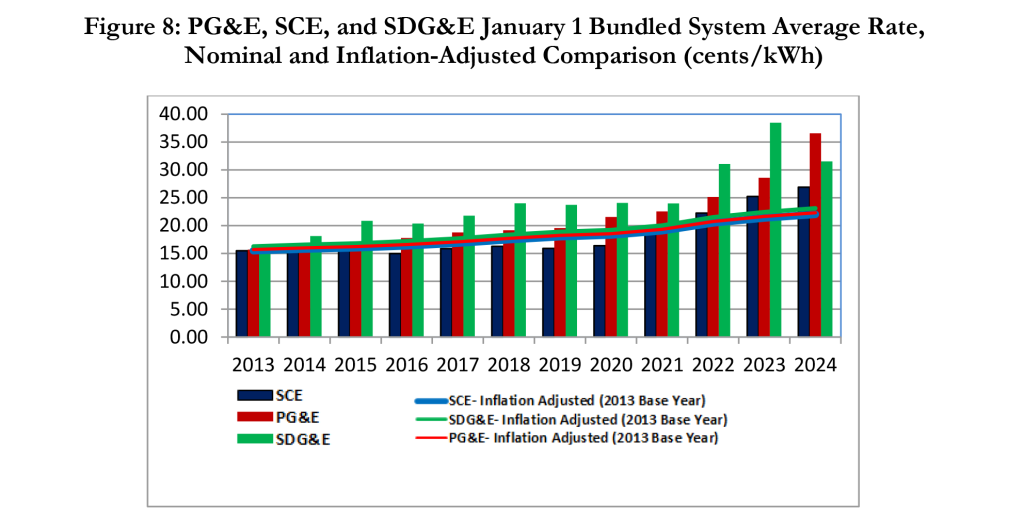
California energy utility customers continue to face financial pressure from rate increases. Starting in 2021, bundled system rate increases began to outpace inflation for all three large electric IOUs as shown in Figure 9.
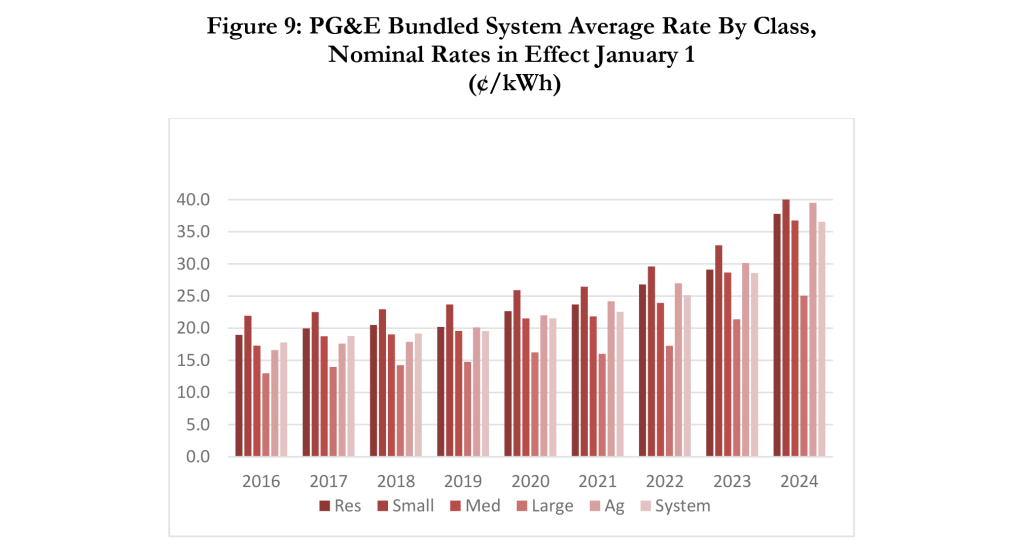
PG&E rates are higher than assumed inflation adjustments.
What This Means for Ratepayers
Despite PG&E’s objections, many experts believe that energy bills will skyrocket in the near future and that those upward trends may continue indefinitely. One expert told Times Standard:
“California residents need to brace themselves for the biggest bill shocks of their lives starting in late August when skyrocketing rates are multiplied by heavy air conditioning usage needed just to survive the record-breaking extreme heat in July,” said Mark Toney, executive director of The Utility Reform Network, or TURN a consumer group.
SPURR will continue to monitor the potential rate increases that our customers, like many across California, may experience. Check back on our blog frequently for the latest updates on this developing situation.